Oct 31, 2026Buying Guides
Baseball Jersey Fabric Guide: Mesh and Pique from 140g to 200g
140g mesh, 160g pique, 180g mesh, 200g mesh - what each fabric weight means for feel, durability and shipping cost on custom baseball jerseys.
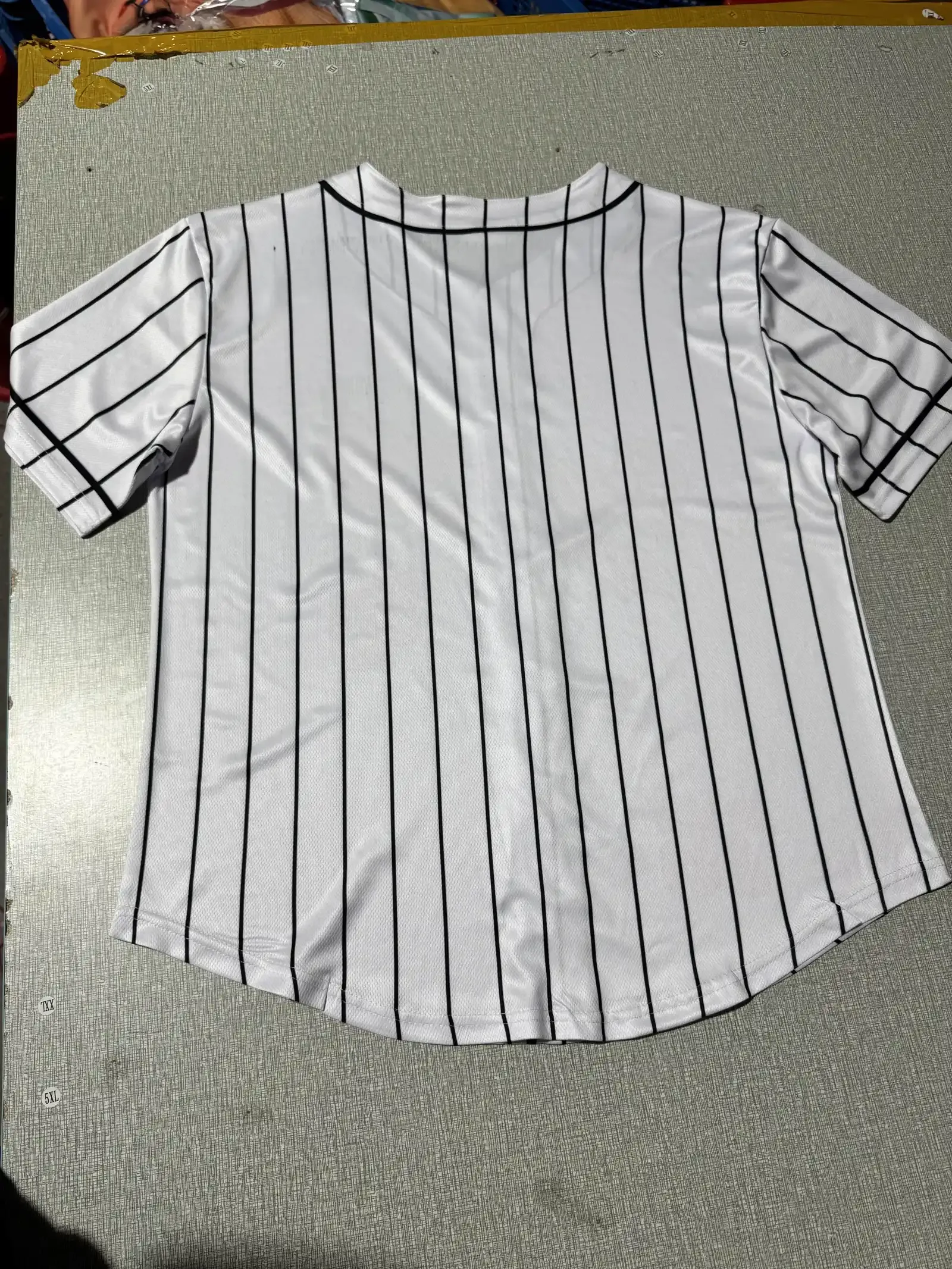
Fabric weight decides how a custom jersey feels in hand, survives a season, and costs per piece. We stock four fabrics for custom baseball jerseys - 140g mesh, 160g pique, 180g mesh and 200g mesh (4.1 to 5.9 oz per square yard). All four accept sublimation and embroidery. Here is how to pick.
The four fabrics we keep in stock
140g mesh is the lightest open-knit option - maximum airflow, minimum weight. 160g pique is a textured knit that feels closest to a retail-store jersey. 180g mesh adds body while staying breathable, and 200g mesh is the heavyweight choice for full-season play - it is what the recent 1,728-piece US sublimation order was produced on.
Which weight for which use
Youth leagues and hot-climate fans: 140g. Teams that want that classic retail hand-feel: 160g pique. Adult competitive teams playing a full season: 180g or 200g. Promotional giveaways where thousands of pieces ship abroad: 140g or 160g keeps air freight and sea freight costs down.
Weight, price and lead time trade-offs
Heavier fabric costs more per piece and per shipped kilogram - 200g carries roughly 40% more fabric weight than 140g, and on a 1,728-piece order that difference shows up in the sea freight bill. Production is about 15 days regardless of weight; US door-to-door sea freight adds about 35 days. If your season starts in 50 days, order now and order light.
Not sure which weight fits your team? Send us your design and quantity - we will swatch two weights on your actual artwork so you can feel the difference before committing.